
Avoid Toxic Toys and Find the Safest Natural Toy Products
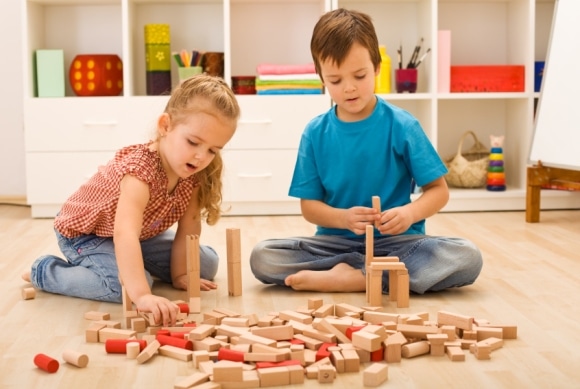

Children have a fundamental need for play. It’s as important to their development and well-being as eating and sleeping. Play needs to be fun, inspire imagination and creativity, and it also must be free from toxic toys. Babies and young children can spend a lot of time chewing and sucking on their toys!
Toys should be made from sustainable, non-toxic wood, organic cotton, or other natural or organic materials. Simple, natural toy products, like wooden blocks, can inspire creativity and imagination, as long as children can be spontaneous and free to build whatever they can imagine in their natural, non toxic play.
Why Do Toxic Toys Even Exist?
It’s baffling to think that manufacturers would even make toxic toys for babies and small children. But they do. Most toys on the market are manufactured using toxic materials because it’s less expensive to add chemicals to cheap materials then to make a non toxic toy from natural materials. In order to make toys more rigid or flexible, or to make them flame retardant, they add chemicals to the plastic, paint and fabric. Toys can contain toxic chemicals such as BPA, PVC, lead, phthalates, cadmium, chlorine, and arsenic.
Bath toys and soft squeeze toys are usually made from PVC with added plasticizers. These toxic toys can off-gas into your child’s environment. Babies and toddlers are exposed to these chemicals when they put the toys in their mouths. Exposure can also come from breathing in the air around the toys.
Although the CPSC has created regulations and standards regarding lead and phthalates in toys, it’s not clear how well the laws are enforced. Manufacturers are allowed to use phthalate variants and other untested chemicals that may be just as toxic.
Most of the chemicals used have not been tested for toxicity to babies and small children. Babies and young children are vulnerable to environmental toxins since they have a limited ability to detoxify and their biological systems are still developing. It is crucial to reduce chemical exposure during the critical period of a baby’s brain development so toxic toys should be eliminated from your baby’s environment.
In addition, there are now interactive internet dolls and other toys that can function as a remote bluetooth headset, speaker or microphone. These types of toys pose risks from EMFs and also privacy concerns since they can collect personal information about your child.
How to Choose Non-Toxic Natural Toy Products
Try to find natural toys made of unfinished, solid, non-toxic wood, preferably made from sustainably-produced hardwood. The wood should be unfinished, or a natural oil finish, such as linseed, beeswax, or walnut oil. Watch out for coatings or paint on metal or wood toys since these finishes could contain lead and other chemicals. Plywood or particleboard can contain formaldehyde and have toxic glues so make sure the wood is solid.
Stuffed animals and fabric teething toys should be made from all natural, untreated fibers, preferably certified organic cotton with non-toxic dyes. Most soft fabric toys or stuffed animals are made with synthetic materials that are treated with various toxic chemicals to make them fire retardant or stain resistant. Plastic baby books, bath toys and many other plastic or rubber-type toys are likely to be made of vinyl (PVC) and not safe for babies and small children.
More Information about Toxic Toys
The Public Interest Research Group (PIRG) published their 32nd annual Trouble in Toyland report. The survey of potentially hazardous toys found that, despite recent progress, consumers must still be wary when shopping for children’s toys.
Along with this report, US PIRG has also launched a new interactive Web site. It works on your smart phone, so you can check a toy’s safety or report hazardous, toxic toys while you shop. Make smart, non toxic toy purchases by visiting www.ToySafety.mobi from your smart phone or home computer to check on toy hazards and report dangerous toys while you shop.
This website was… how do I say it? Relevant!! Finally
I have found something which helped me. Thanks a lot!
I just find it so scary, I can buy toxic toys anytime by accident:( we should make a list with trustable toys, natural or wood and nothing plastic or colored. I might be overprotective, but rather than harm my Baby by accident! I recommend diotoys, they produce many wood toys tor toddlers. And also thanks for the trustable organic changing pads and mattresses!! A mom from Livingston, UK